
Discovering Cedar Heights: A Neighborhood Rooted in Conshohocken’s Past
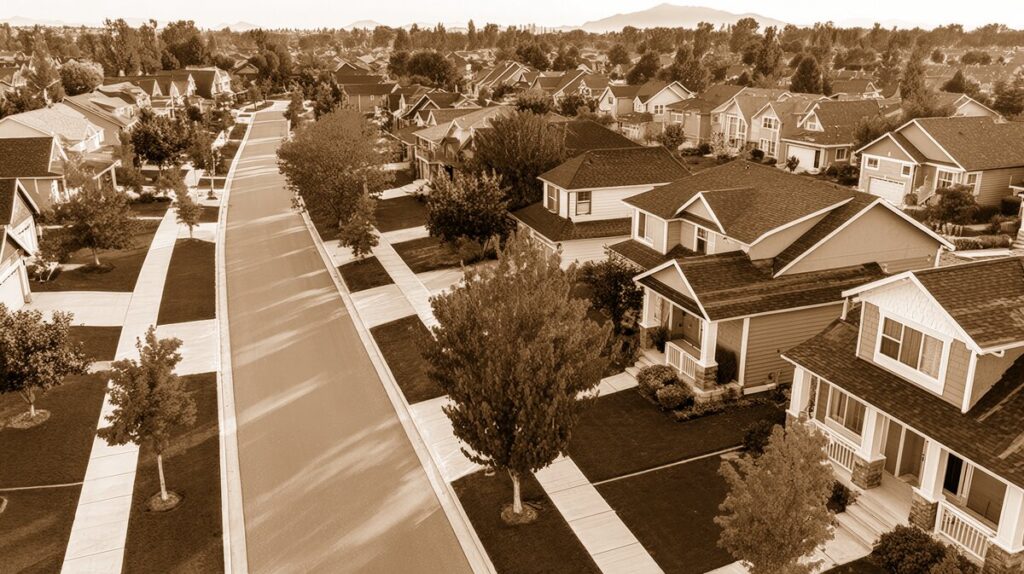
Nestled in the eastern hills of Conshohocken, Cedar Heights stands as an unassuming but deeply cherished neighborhood. While it doesn't always make the headlines, its story is woven into the very fabric of Conshohocken’s history. For those who have called it home for generations, Cedar Heights is more than just a place—it’s a living reflection of the borough’s industrious spirit, sense of community, and resilience.
Origins: The Land That Became Cedar Heights
Cedar Heights traces its beginnings back to the early 20th century, during a time of rapid growth for Conshohocken. The neighborhood was carved out of wooded hillsides that, as the name suggests, were creating canopies of Eastern Red Cedars. These evergreens dotted the area, notably along what are now Cedar Grove Avenue and Maple Street, giving the locale a tranquil, natural character that contrasted with the bustle of nearby mills and railroads.
Before it became the neighborhood we know today, the land was largely farmland and forest, owned by a patchwork of families. The area began to take shape as new housing was needed to support workers flocking to Conshohocken’s burgeoning industries along the Schuylkill River.
“Cedar Heights”: The Story Behind the Name
The name “Cedar Heights” pays homage to both the natural landscape and the topography. Early residents picked the name for the striking cedar trees and the lofty vantage overlooking the borough and the rolling hills beyond. Oral histories say that community members would gather on what was then a grassy rise near the intersection of Cedar Grove Avenue and Sixth Avenue, remarking on the strong scent of cedar and the panoramic views—scenes that inspired the neighborhood’s enduring name.
Key Historical Milestones
Over the decades, Cedar Heights played witness to several transformative moments:
- 1920s Development Boom: The first wave of houses—charming twins and rowhomes—sprang up in the 1920s and 30s. Many of these original structures can still be found along Poplar Street and Maple Street, their brick facades and wide porches offering glimpses of the past.
- Postwar Expansion: Following World War II, the GI Bill enabled a second housing surge. Veterans and their families found Cedar Heights an affordable, welcoming place to set down roots. This era brought the neighborhood closer together, with community picnics and block parties along Pine Street.
- School and Churches: The founding of St. Matthew School and the nearby Resurrection Mission were cornerstones for local families, serving as both educational and social centers. On evenings and weekends, children could be seen playing around the schoolyard and nearby streets.
- Modern Changes: The late 20th and early 21st centuries brought new development and revitalization focused on maintaining affordable living within a growing borough. Many original homes have been lovingly restored, blending old charm with modern comforts.
Landmarks and Neighborhood Touchstones
While Cedar Heights may not boast grand monuments, it is dotted with spaces and buildings that form the heart of the community:
- Cedar Grove Park: A beloved pocket park tucked along the eastern side, Cedar Grove Park has served generations of families. Its playgrounds, open green spaces, and simple walking paths make it a gathering spot for all ages, particularly in the summer months.
- The Former Community Center: Once located on Locust Street, the small community hall was a hub for dances, scouts meetings, and holiday celebrations until the 1980s. Older residents still reminisce about Friday night bingo and festive potluck dinners held here.
- Maple Street Rowhomes: These tightly packed homes reflect the classic architectural style of early Conshohocken and are recognized as some of the best-preserved examples of the region’s 1920s residential design.
Streets and Stories: Everyday Landmarks
Specific streets hold their own stories and importance:
- Cedar Grove Avenue: This main thoroughfare is both a literal and symbolic centerpiece—a shady, uphill walk that feels like a step back in time with its original sidewalks and lamp posts.
- Poplar and Pine Streets: Known for their vibrant flower gardens and long-standing block parties, these side streets embody the close-knit feel that defines Cedar Heights.
- Spruce Street’s Mini-Markets: While most of the old corner stores have faded into memory, one or two little markets near Spruce and Fifth Avenue linger, providing locals with the basics, just like they did nearly a century ago.
The Spirit of Cedar Heights: A Community that Endures and Adapts
What truly makes Cedar Heights special is its people. Over the decades, waves of newcomers have brought fresh perspectives while old families share tales from bygone days. Block parties, spring clean-up days, and impromptu front porch chats endure, keeping the neighborly spirit alive.
Residents are proud of how the neighborhood has welcomed change without losing touch with its roots. Families who grew up here talk about their grandparents walking to church along the same streets, playing in Cedar Grove Park, and attending summer fairs.
Looking Forward: Preserving Heritage, Embracing the Future
Today, Cedar Heights is a blend of historic charm and forward-looking growth. Community members are dedicated to preserving their heritage while also embracing new ideas and cultures. Recent neighborhood projects, like garden planting along Cedar Grove Avenue and historical walking tours led by the Conshohocken Historical Society, are bringing stories from the past to life for the next generation.
If you stroll through Cedar Heights on a quiet evening, you’ll still hear the laughter of children, smell the faint scent of cedar on the breeze, and see neighbors waving over their fences. It’s a neighborhood where history isn’t relic—it’s lived every day, woven into the rhythm of ordinary life.
Whether you’re new to Conshohocken or a longtime resident, Cedar Heights offers a heartfelt invitation: slow down, look around, and discover the special spirit that only this corner of town can offer.